




future-digital-marketing-strategies
Why the Future of Digital Marketing Matters
The digital landscape is evolving at an extraordinary pace. Businesses that adapt to modern marketing strategies are the ones that dominate online markets, attract customers, and generate long-term revenue. The future of digital marketing is driven by data, automation, personalization, and advanced technologies that help businesses reach their target audience more effectively.
Companies that rely only on traditional marketing methods struggle to compete in the modern online marketplace. Today, success depends on implementing innovative digital marketing strategies that increase visibility, build trust, and convert audiences into loyal customers.
In this article, we explore the powerful digital marketing strategies businesses must adopt to succeed online in the coming years.

The Evolution of Digital Marketing
Digital marketing has transformed dramatically over the last decade. Previously, businesses focused mainly on simple websites and basic advertising campaigns. Today, digital marketing includes advanced SEO strategies, social media engagement, content marketing, artificial intelligence, and data-driven decision-making.
Customers now expect personalized experiences, fast responses, and valuable content from brands. Businesses that meet these expectations gain a competitive advantage.
The future of marketing revolves around building strong online ecosystems where content, technology, and customer engagement work together to drive growth.
Search Engine Optimization (SEO): The Core of Online Visibility
Search Engine Optimization remains one of the most powerful digital marketing strategies. Businesses that rank higher on search engines receive more organic traffic, leads, and conversions.
Future SEO strategies focus on high-quality content, user experience, mobile optimization, and semantic search.
Key SEO elements that businesses must focus on include:
Keyword research to understand customer search behavior
On-page optimization with structured headings and optimized metadata
Technical SEO improvements such as site speed and mobile responsiveness
High-authority backlinks that strengthen domain credibility
Search engines increasingly prioritize content relevance and user satisfaction, making quality content essential for ranking success.
Content Marketing: The Foundation of Digital Authority
Content marketing continues to be a dominant strategy in the digital marketing ecosystem. Businesses that consistently produce valuable, informative, and engaging content attract audiences and build trust.
Effective content marketing includes:
Blog articles
Educational guides
Video tutorials
Case studies
Infographics
Industry insights
Quality content helps businesses solve customer problems while positioning their brand as an authority in the industry.
Search engines also reward websites that publish detailed, informative, and well-structured content. This improves search rankings and drives consistent organic traffic.
Artificial Intelligence and Automation in Marketing
Artificial intelligence is revolutionizing digital marketing by enabling smarter data analysis, personalized campaigns, and automated customer interactions.
AI-powered tools help marketers:
Analyze customer behavior
Predict buying patterns
Automize email campaigns
Optimize advertising performance
Improve customer support with chatbots
Automation allows businesses to scale marketing efforts while maintaining personalized customer experiences.
Companies that integrate AI into their digital marketing strategy gain significant advantages in efficiency and customer engagement.
Social Media Marketing: Building Communities and Brand Trust
Social media platforms play a crucial role in modern digital marketing. Businesses use these platforms to connect with audiences, share content, and build strong brand identities.
Successful social media strategies focus on:
Creating engaging content
Posting consistently
Responding to audience interactions
Running targeted advertising campaigns
Collaborating with influencers
Social media marketing enables brands to build communities around their products and services, increasing loyalty and brand recognition.
The future of social media marketing lies in authentic storytelling, short-form video content, and interactive experiences.
Video Marketing: The Most Engaging Content Format
Video marketing has become one of the most powerful tools for capturing audience attention. Platforms such as YouTube, Instagram, and TikTok have made video content a dominant force in online marketing.
Videos allow businesses to:
Explain products and services clearly
Share tutorials and educational content
Tell compelling brand stories
Increase audience engagement
Short-form videos and live streaming are particularly effective for boosting visibility and engagement on social platforms.
Brands that prioritize video marketing significantly improve audience retention and conversion rates.
Data-Driven Marketing Strategies
Modern digital marketing relies heavily on data analytics and performance tracking. Businesses use data to understand customer behavior, measure campaign performance, and optimize marketing strategies.
Key metrics marketers track include:
Website traffic
Conversion rates
Customer acquisition cost
Engagement rates
Return on investment (ROI)
Data insights help businesses make informed decisions and improve marketing effectiveness.
Companies that leverage data successfully can identify opportunities, refine campaigns, and maximize marketing results.
Personalization: The Key to Customer Engagement
Customers expect personalized experiences when interacting with brands online. Generic marketing messages no longer capture attention effectively.
Personalization involves tailoring content, offers, and communication based on customer preferences and behavior.
Examples of personalized marketing include:
Customized product recommendations
Targeted email campaigns
Dynamic website content
Personalized advertisements
Personalized marketing improves customer satisfaction, engagement, and conversion rates.
Businesses that prioritize personalization create stronger connections with their audiences.
Mobile-First Marketing
Mobile devices dominate internet usage worldwide. As a result, businesses must prioritize mobile-optimized websites and mobile marketing strategies.
A mobile-first approach includes:
Responsive website design
Fast page loading speeds
Mobile-friendly content layouts
Optimized mobile advertisements
Search engines also prioritize mobile-friendly websites in search rankings, making mobile optimization critical for SEO success.
Building a Long-Term Digital Marketing Strategy
Sustainable success in digital marketing requires a long-term strategy that integrates multiple marketing channels.
An effective strategy includes:
Search engine optimization
Content marketing
Social media engagement
Paid advertising campaigns
Email marketing automation
Continuous data analysis
Businesses that combine these strategies create a powerful digital presence that attracts and converts customers consistently.
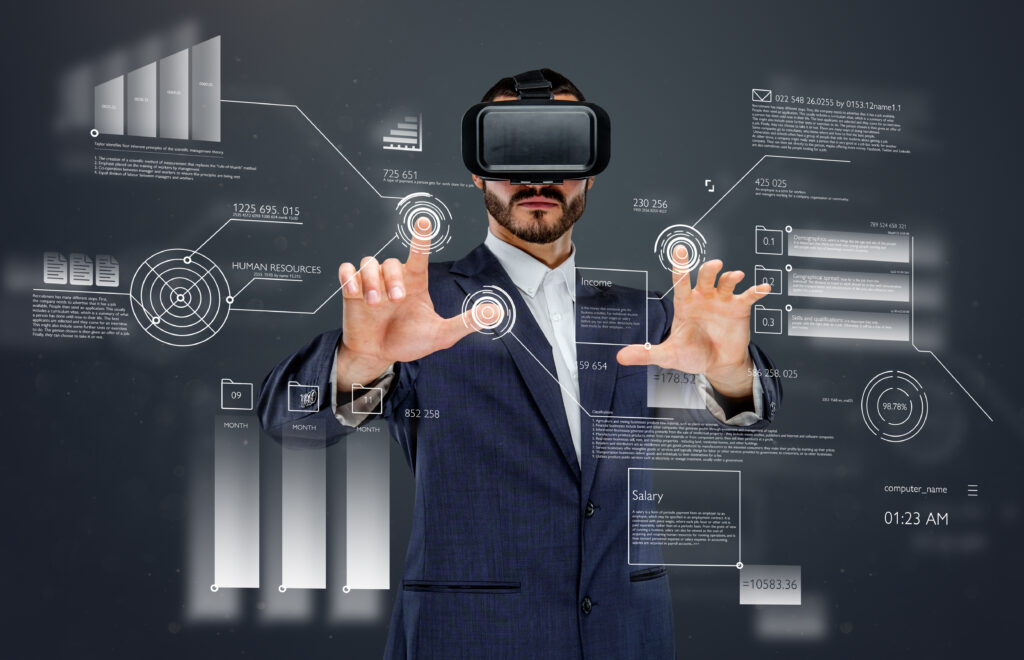
The future of digital marketing is shaped by innovation, technology, and customer-focused strategies. Businesses that embrace modern marketing techniques such as SEO optimization, AI-driven campaigns, personalized content, and social media engagement position themselves for long-term success.
Digital marketing is no longer optional for businesses that want to compete in the online marketplace. It is the foundation of brand visibility, customer acquisition, and sustainable growth.
Companies that invest in powerful digital marketing strategies today will dominate the online landscape tomorrow.